
Deal or No Deal
Deal or No Deal draws viewers in with a concept that is easy to understand but creates plenty of excitement. Contestants stand on stage, facing sealed briefcases that each hide a different cash amount. The tension grows as the player decides whether to accept a bank offer or keep picking cases, never knowing what fortune might be inside.
What sets the show apart is the way simple choices generate suspense that keeps everyone watching. The whole family can follow the rules, and each round brings a new wave of anticipation. The format turns what could be a random guessing game into something much more compelling through skillful pacing and presentation.
Structure And Flow Of Gameplay
A single contestant stands at the center, faced with 26 numbered briefcases. Each case holds a different sum, from just a penny up to the top prize. The game begins with the player selecting one case to keep closed, then opening the others one by one, removing amounts from the board and revealing how their odds change with every decision.
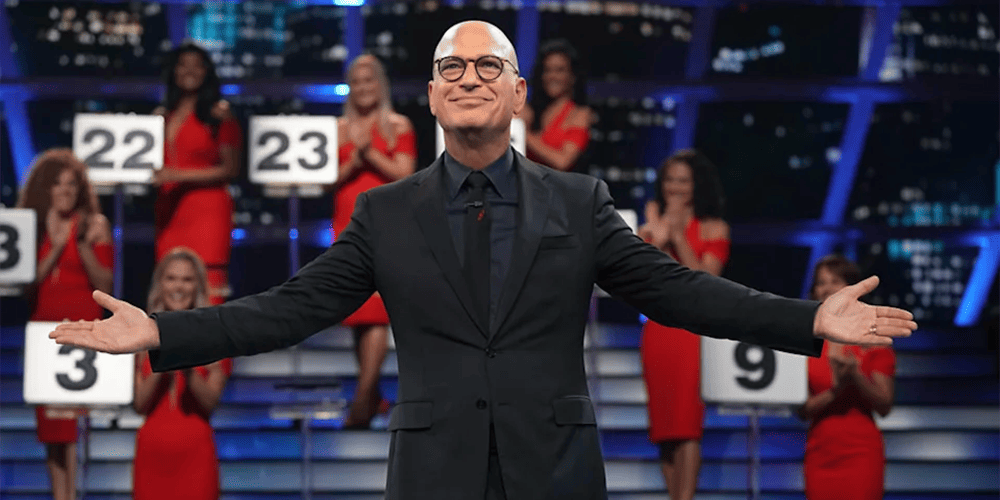
After each group of cases is opened, a mysterious banker offers a cash sum to end the game. The contestant weighs the guaranteed money against the unknown contents of the chosen case. This repeated decision creates suspense and makes every episode unpredictable.
The host builds tension with every question: “Deal or no deal?” The simple choice at the heart of the show invites viewers at home to test their own nerves and imagine what they would do in the same situation.
The Role Of The Host And Presentation
Deal or No Deal’s host keeps the energy high and the drama sharp. With a blend of encouragement and playful pressure, the host guides contestants through each round. Their style brings a human touch to the mathematical odds on display and helps everyone feel invested.
The show’s set design uses dramatic lighting, sleek visuals, and suspenseful music that ramps up at every turning point. These elements work together to transform a studio stage into a serious arena where split-second decisions carry real weight.
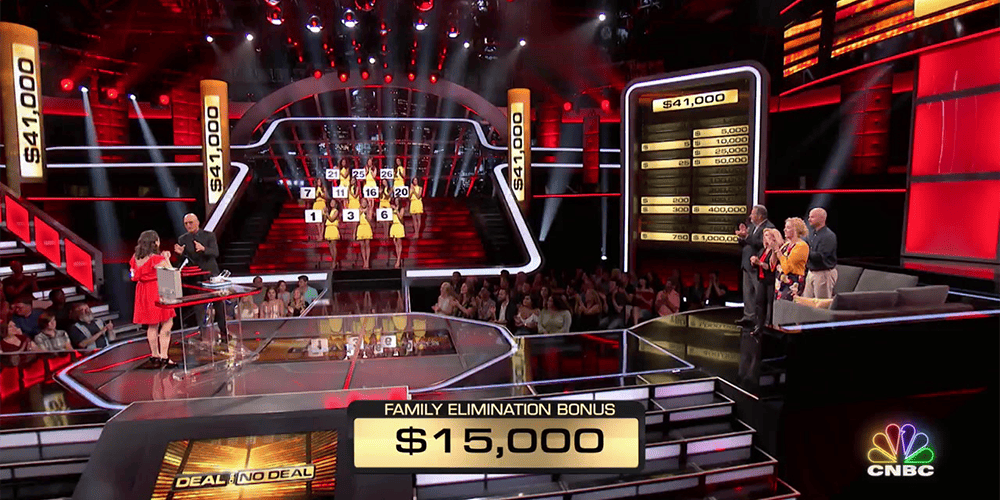
Every briefcase model also adds to the spectacle, appearing on stage to create anticipation each time a case gets opened. This setup rewards careful pacing and showmanship, making even a simple reveal into a major event.
Emotional And Psychological Appeal
The real drama comes from watching real people handle pressure in front of an audience. Deal or No Deal taps into hope, fear, and second-guessing as contestants weigh their choices.
Episodes become memorable because viewers can relate to the emotional stakes. Whether someone is cautious or bold, everyone wonders what they would do in the spotlight, with the possibility of life-changing sums hanging in the balance.
Friends and family often join contestants on stage, providing encouragement and advice. This dynamic adds warmth and authenticity, showing that gut decisions are rarely made alone.
Widespread Popularity And Cultural Impact
Since its first broadcast, Deal or No Deal has become a staple in countries around the world. Its easy-to-follow format and universal themes of chance and choice give it lasting appeal.
People talk about “the banker’s offer” or dramatic case picks in daily conversations, showing how the show’s moments stick in the public’s mind. The format’s influence can be seen in online games, parodies, and pop culture references that keep its spirit alive.
The mix of luck, psychology, and tension marks Deal or No Deal as more than just a game of chance. It resonates because every episode offers a true test of nerves, decision-making, and the unpredictable twists of fate.