
Let's Make a Deal
Contestants get selected from the audience based on costumes and enthusiasm. The host offers them choices between visible prizes and unknown options, sometimes sweetening the pot with cash offers. Each decision point creates suspense as viewers wonder if the contestant will stick or switch.
A typical episode unfolds in a series of deals — some straightforward, others laced with twists. Sometimes contestants trade away certain rewards for a chance at something better behind a curtain. The unpredictability of what’s hidden ensures every segment feels fresh and engaging.
The Role of the Audience
Audience members do far more than sit and watch; their costumes, cheers, and reactions form the show’s spirit. Many dream of getting called down to play, so they wear outrageous outfits or bring witty props. The studio becomes a festival of characters, all hoping for a shot at bargaining with the host.
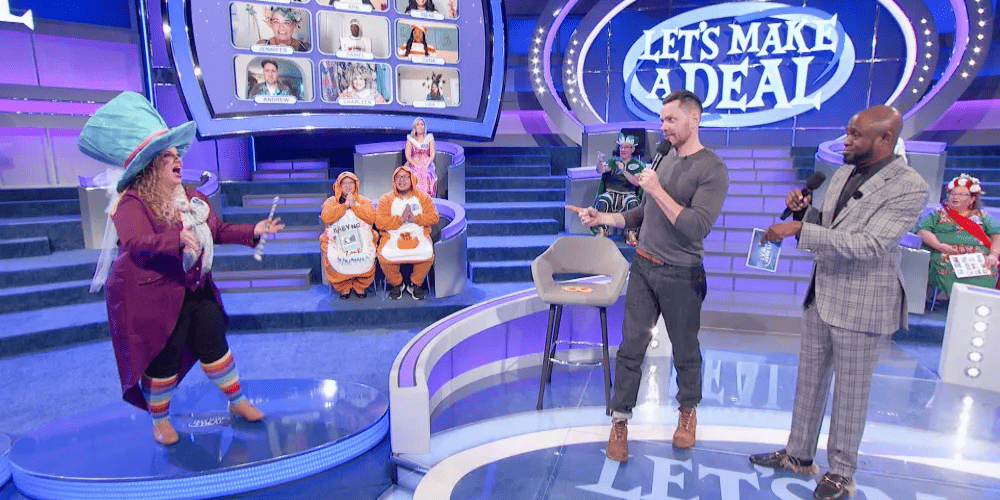
Contestants often consult with friends or even strangers in the audience, adding a layer of camaraderie. Their reactions to reveals—both thrilling and disappointing—help drive the game’s emotional highs and lows. The audience’s energy makes even a minor prize reveal feel like an event.
Entertainment and Emotional Appeal
Let’s Make a Deal thrives on a mix of suspense, humor, and surprise. The possibility of a “Zonk” (a deliberately silly or worthless prize) keeps contestants on edge, unsure whether a deal will deliver delight or laughter. Everyone gets in on the fun, rooting for the unexpected.
The format appeals to families and solo viewers alike, as each deal invites you to weigh the odds and imagine your own choices. Even seasoned game show fans find themselves caught up in the tension and joy of each decision. The variety of outcomes keeps episodes lively and memorable.
Host and Showmanship
The host stands at the center, commanding the stage with charm and quick wit. Their banter with contestants sets the tone, blending encouragement with playful teasing. This conversational style invites viewers to feel like part of the action.
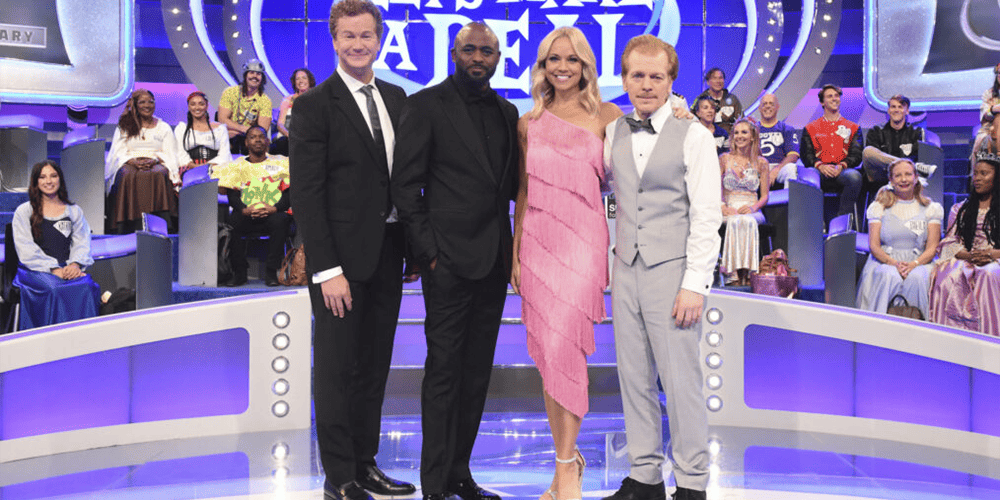
Set design uses bold colors, flashy props, and dramatic curtains to keep attention high. Music and sound effects punctuate every reveal, adding rhythm and excitement to each deal. The show’s pace moves briskly, never allowing anticipation to fade.
Legacy and Cultural Impact
Since its 1963 debut, Let’s Make a Deal has become a staple of daytime television. Its signature mix of risk and reward has sparked numerous international versions and special editions. The phrase “Let’s make a deal” has entered common speech as shorthand for negotiation and compromise.
Over the decades, the show has influenced other formats that center on audience participation. Its lasting popularity proves that the thrill of possibility and the joy of spectacle can create television magic. Even today, viewers continue to tune in for new surprises, sharing in the dream of making the deal of a lifetime.