
Weakest Link
Weakest Link exists as a classic elimination-style quiz show where contestants answer general knowledge questions in quick succession. A signature feature is the tense atmosphere created by rapid-fire questioning and the looming threat of elimination. The show stands out by highlighting both teamwork and individual competition, something viewers often find gripping.
The main twist comes through a voting mechanic where contestants must decide whom to eliminate after each round. This dynamic brings in an added layer of psychology and strategy, beyond the trivia itself. The ever-present question remains: who will get targeted and who can survive to the end?
Gameplay Structure
Each episode features a group of contestants who take turns answering questions as a chain, aiming to accumulate as much prize money as possible. Incorrect answers break the chain and reset the potential winnings for that round, which pushes players to weigh risk and speed. The host keeps the session moving briskly by asking direct questions and providing sharp commentary.
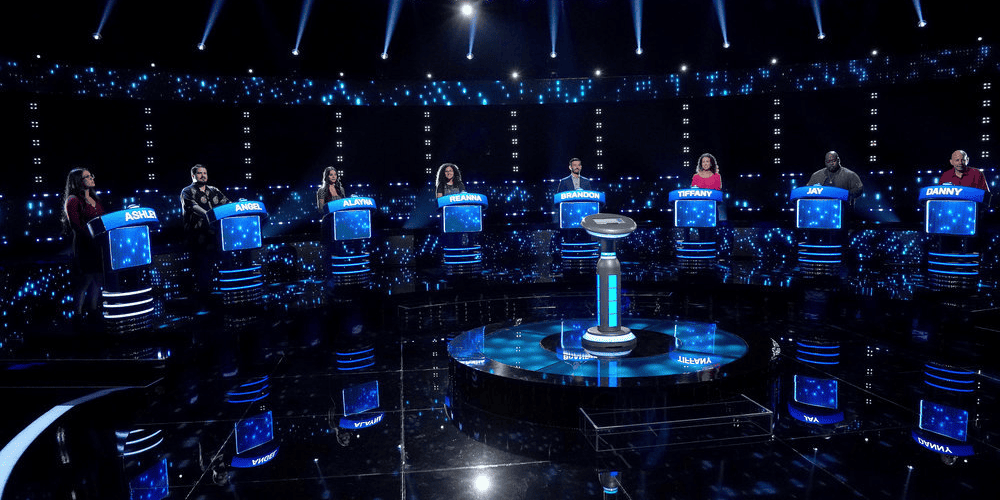
At the end of each round, contestants secretly vote on whom they think is the “weakest link” in the chain. The person with the most votes leaves the game, introducing a social strategy rarely seen in other quiz shows. Every round, the difficulty increases as fewer contestants remain and pressure mounts.
The Role Of The Host
The host occupies a unique role in Weakest Link, shaping the overall experience and tone. Known for their stern delivery and quick wit, the host often addresses contestants with pointed remarks and cutting humor. This produces a charged environment where participants feel both challenged and exposed.
The host’s personality becomes synonymous with the show itself. Their blend of authority and sarcasm both intimidates and entertains viewers. The carefully crafted persona ensures that each elimination feels sharp and memorable, cementing the show’s reputation for toughness.
Elimination and Strategy
Elimination sits at the heart of the format, making each round unpredictable and tense. Contestants must not only keep their trivia skills sharp but also read group dynamics and anticipate potential votes. Many times, strong players get eliminated for being too threatening, while weaker players sometimes slip through to the final rounds.
This combination of knowledge, bluffing, and social maneuvering gives Weakest Link a distinctive edge. The voting process creates suspense, with alliances forming and dissolving at a moment’s notice. Players must always balance personal performance with group perception.
Entertainment and Viewer Appeal
The show’s high-energy pacing, brisk question delivery, and dramatic music create a sense of urgency that keeps viewers engaged. Quick eliminations after each round add a reality-TV flavor, delivering surprises and reversals that audiences remember. Fans often debate the tactics used by contestants, energizing online discussions and watch parties.
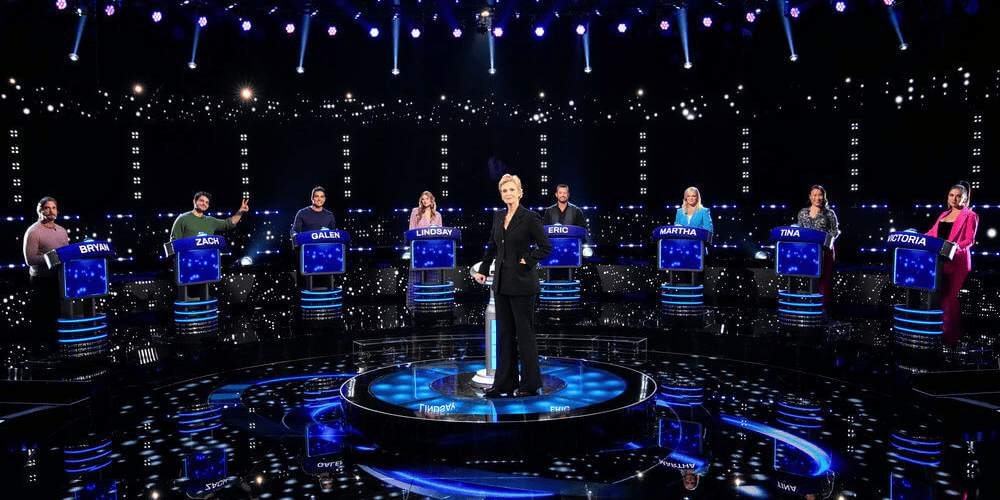
Many viewers enjoy playing along at home, testing their own trivia ability and speculating about who should be voted out next. The mix of quiz elements and social dynamics makes Weakest Link accessible to casual viewers and quiz buffs alike.
Host, Set And Visual Style
The set design further intensifies the show’s serious tone. Contestants stand in a semi-circle, under moody lighting, which enhances the sense of isolation and drama. The host stands apart, commanding attention from the center, while every visual element reinforces the competitive vibe.
Slick transitions, suspenseful sound effects, and a signature catchphrase—“You are the weakest link. Goodbye!”—make each episode easy to identify. This style helps new viewers instantly grasp the show’s format and mood, while longtime fans recognize the ritual of each elimination.
Cultural Presence and Lasting Influence
Weakest Link has become an icon among quiz shows, spawning several international versions and parodies. The elimination catchphrase has entered common language, representing blunt dismissal in other contexts. Its fusion of trivia, suspense, and strategic voting remains unique, giving it a prominent place in TV history.
The format’s adaptability allows it to thrive in various countries and languages. Decades after its debut, Weakest Link continues to attract new viewers, proving that the mix of knowledge and strategy still resonates widely.